
Senior Workout Plans: Effective Workout Plans for Older Adults

Staying active as we age is one of the best gifts we can give ourselves. It helps maintain strength, balance, and overall health, making daily life easier and more enjoyable. If you’re looking to start or improve your fitness routine, I’m here to guide you through some effective workout plans designed specifically for older adults. These plans focus on safety, gradual progress, and fun, so you can feel confident and motivated every step of the way.
Why Senior Workout Plans Matter
When you reach a certain age, your body changes. Muscle mass naturally decreases, bones can become more fragile, and balance might not be as sharp as it once was. That’s why senior workout plans are essential. They help counteract these changes by:
Building muscle strength to support joints and prevent injuries.
Improving flexibility to keep your movements smooth and pain-free.
Enhancing balance to reduce the risk of falls.
Boosting cardiovascular health for better endurance and energy.
The key is to choose exercises that are appropriate for your fitness level and health conditions. You don’t need to push yourself too hard; consistency and gradual improvement are what count.

Components of a Balanced Senior Workout Plan
A well-rounded workout plan for older adults should include several types of exercises. Here’s a breakdown of what to focus on:
1. Strength Training
Strength training helps maintain muscle mass and bone density. You can use light weights, resistance bands, or even your own body weight. Some simple exercises include:
Chair squats: Stand up and sit down from a chair slowly.
Wall push-ups: Push against a wall instead of the floor to reduce strain.
Bicep curls with light dumbbells or water bottles.
Aim for two to three sessions per week, with 8-12 repetitions per exercise.
2. Cardiovascular Exercise
Cardio workouts improve heart health and stamina. Walking, swimming, or cycling are excellent low-impact options. Try to get at least 150 minutes of moderate cardio per week, which can be broken down into 30-minute sessions five days a week.
3. Flexibility and Stretching
Stretching keeps your muscles flexible and joints healthy. Incorporate gentle stretches after your workouts or during dedicated sessions. Yoga or tai chi are also fantastic for flexibility and relaxation.
4. Balance Training
Balance exercises reduce the risk of falls. Simple moves like standing on one foot or heel-to-toe walking can be done daily. You can also try balance-focused classes or use tools like balance boards.
Sample Weekly Senior Workout Plan
Here’s a sample plan you can follow or adapt to your needs. Remember to listen to your body and rest when needed.
| Day | Activity | Duration |
|-----------|---------------------------------|-------------------|
| Monday | Strength training (upper body) | 30 minutes |
| Tuesday | Walking or swimming | 30-45 minutes |
| Wednesday | Balance exercises + stretching | 20-30 minutes |
| Thursday | Strength training (lower body) | 30 minutes |
| Friday | Cardio (cycling or brisk walk) | 30-45 minutes |
| Saturday | Yoga or tai chi | 30 minutes |
| Sunday | Rest or gentle stretching | 15-20 minutes |
This plan balances different types of workouts to keep your routine interesting and effective.
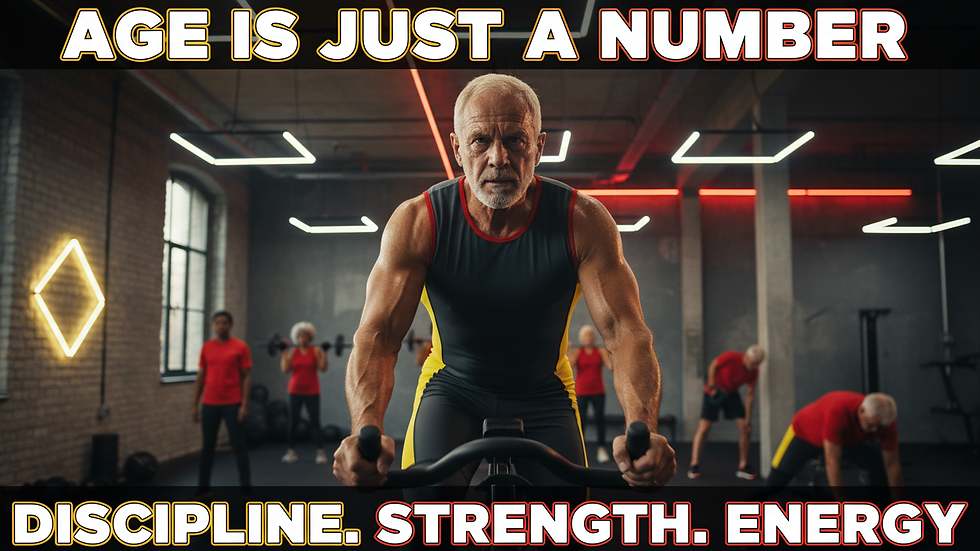
Tips for Staying Motivated and Safe
Starting a new workout routine can feel overwhelming, but here are some tips to keep you on track:
Set realistic goals: Start small and celebrate every achievement.
Warm up and cool down: Always prepare your body before exercise and stretch afterward.
Stay hydrated: Drink water before, during, and after workouts.
Use proper equipment: Wear comfortable shoes and use supportive gear.
Listen to your body: If something hurts, stop and rest.
Find a workout buddy or join a class: Social support makes exercise more enjoyable.
Consult your doctor: Especially if you have chronic conditions or concerns.
How Personalized Training Can Help
Personalized training is a game-changer for many older adults. When workouts are tailored to your unique needs, abilities, and goals, you’re more likely to see progress and avoid injury. Whether you prefer one-on-one sessions or small group classes, having a knowledgeable trainer can provide:
Customized exercise plans
Proper technique guidance
Motivation and accountability
Adjustments based on your health status
If you want to explore personalized options, consider reaching out to local fitness studios that specialize in senior workout plans. They often offer supportive environments where you can build confidence and consistency.
Embracing a Healthier Lifestyle
Exercise is just one part of a healthy lifestyle. Pairing your workout routine with balanced nutrition, adequate sleep, and stress management will amplify your results. Remember, the goal is to feel stronger, more energetic, and happier in your daily life.
If you’re ready to take the next step, check out some workout plans for older adults that can guide you safely and effectively. Your journey to lasting health and confidence starts with a single step.
Keep Moving Forward
Every day is a new opportunity to improve your health and well-being. By committing to a senior workout plan that fits your lifestyle, you’re investing in your future. Stay patient, stay positive, and enjoy the process. Your body will thank you for it.
Remember, fitness is not about perfection but progress. Keep moving forward, and you’ll discover just how strong and capable you truly are.



Comments