
Workout Plans Perfect for Seniors: Staying Strong and Active at Any Age

Getting older doesn’t mean you have to slow down or give up on your fitness goals. In fact, staying active is one of the best things you can do to maintain your health, independence, and overall happiness. I’ve found that with the right workout plans, seniors can enjoy improved strength, balance, and energy. Whether you’re just starting out or looking to refresh your routine, this guide will walk you through some of the best ways to stay fit and feel great.
Why Workout Plans for Seniors Matter
As we age, our bodies naturally change. Muscle mass tends to decrease, bones can become more fragile, and balance might not be as sharp as it once was. That’s why having a workout plan tailored specifically for seniors is so important. These plans focus on exercises that are safe, effective, and designed to meet the unique needs of older adults.
A good workout plan for seniors will include a mix of strength training, flexibility exercises, balance work, and cardiovascular activity. This combination helps to:
Build and maintain muscle strength
Improve joint mobility and flexibility
Enhance balance to prevent falls
Boost heart and lung health
Increase energy levels and mood
By following a structured plan, you can reduce the risk of chronic diseases like diabetes, heart disease, and osteoporosis. Plus, exercise is a fantastic way to stay socially connected and mentally sharp.

Effective Workout Plans for Seniors: What to Include
When creating or choosing a workout plan, it’s important to focus on exercises that are both enjoyable and manageable. Here’s a breakdown of the key components you should look for in any workout plan for seniors:
1. Strength Training
Strength training helps combat muscle loss and keeps your bones strong. You don’t need heavy weights to get results. Bodyweight exercises, resistance bands, or light dumbbells work perfectly. Some great options include:
Chair squats
Wall push-ups
Bicep curls with resistance bands
Seated leg lifts
Aim to do strength training exercises 2-3 times per week, allowing a day of rest in between sessions.
2. Cardiovascular Exercise
Cardio workouts improve heart health and stamina. Walking is one of the easiest and most accessible forms of cardio. Other options include swimming, cycling, or low-impact aerobics. Try to get at least 150 minutes of moderate-intensity cardio each week, which can be broken down into 30-minute sessions five days a week.
3. Flexibility and Stretching
Keeping your muscles and joints flexible reduces stiffness and improves your range of motion. Incorporate gentle stretching or yoga into your routine at least 3 times a week. Focus on areas like the hamstrings, calves, shoulders, and back.
4. Balance Exercises
Falls are a major concern as we age, so balance training is essential. Simple exercises like standing on one foot, heel-to-toe walking, or using a balance board can make a big difference. Try to practice balance exercises daily or at least several times a week.
Sample Weekly Workout Plan for Seniors
Here’s an example of how you might structure your week:
| Day | Activity | Duration |
|-----------|---------------------------------|-------------------|
| Monday | Strength training + balance work | 45 minutes |
| Tuesday | Walking or swimming | 30 minutes |
| Wednesday | Flexibility and stretching | 30 minutes |
| Thursday | Strength training + balance work | 45 minutes |
| Friday | Cardio (cycling or brisk walk) | 30 minutes |
| Saturday | Yoga or gentle stretching | 30 minutes |
| Sunday | Rest or light activity | - |
Remember, consistency is key. It’s better to do a little bit regularly than to push too hard and risk injury.
Does Exercise Help Anxiety and Panic Attacks?
Exercise isn’t just good for your body; it’s also a powerful tool for your mind. Many older adults experience anxiety or panic attacks, and physical activity can help reduce these feelings. When you exercise, your body releases endorphins, which are natural mood boosters. These chemicals help reduce stress and promote a sense of calm.
Regular exercise can also improve sleep quality, which is often disrupted by anxiety. Plus, focusing on your movements during workouts can serve as a form of mindfulness, helping you stay present and reduce worry.
If you’re dealing with anxiety or panic attacks, consider incorporating gentle activities like walking, swimming, or yoga into your routine. These exercises are low-impact and promote relaxation while still providing physical benefits.
Tips for Staying Motivated and Safe
Starting a new workout plan can feel overwhelming, but with the right mindset and precautions, you can make it a rewarding part of your life. Here are some tips to help you stay on track:
Set realistic goals: Start with small, achievable targets and gradually increase intensity.
Listen to your body: If something hurts or feels uncomfortable, stop and adjust.
Stay hydrated: Drink plenty of water before, during, and after exercise.
Wear proper footwear: Supportive shoes can prevent injuries and improve balance.
Warm up and cool down: Spend 5-10 minutes warming up before exercise and cooling down afterward to prevent stiffness.
Find a workout buddy: Exercising with a friend can make workouts more enjoyable and keep you accountable.
Consider professional guidance: A personal trainer experienced with older adults can tailor workouts to your needs and ensure proper form.
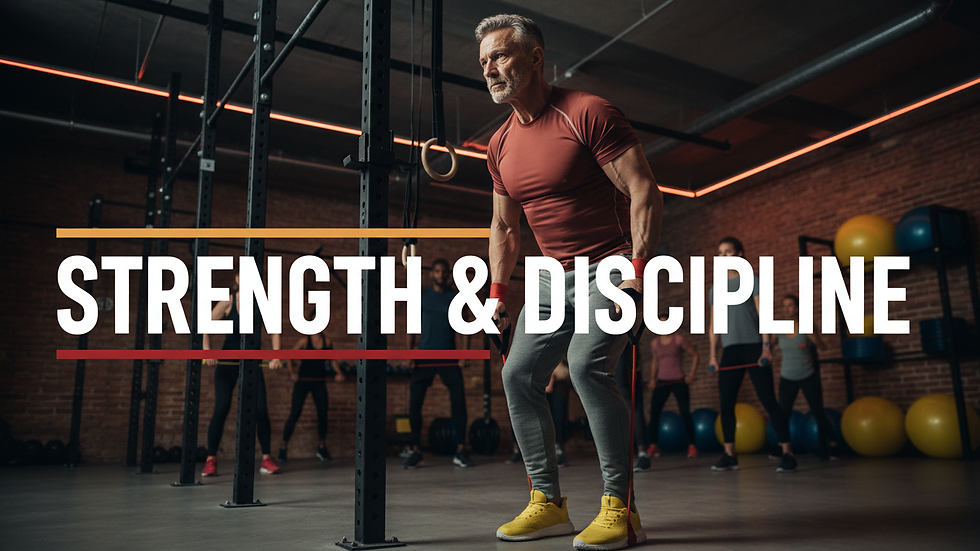
Embracing Fitness as a Lifestyle
The best workout plans for seniors are those that fit your lifestyle and bring you joy. Whether it’s dancing, gardening, swimming, or walking your dog, staying active doesn’t have to mean hitting the gym every day. The key is to keep moving in ways that feel good and support your health goals.
If you’re looking for personalized support, consider joining a local fitness studio that specializes in training older adults. They can provide customized workout plans, group classes, and a supportive community to keep you motivated.
For those interested in exploring more structured options, you might want to check out workout plans for older adults that are designed with your unique needs in mind. These plans often include modifications and progressions to help you build strength and confidence safely.
Remember, it’s never too late to start. Every step you take toward fitness is a step toward a healthier, happier you. So lace up those shoes, take a deep breath, and enjoy the journey to a stronger, more vibrant life.



Comments